Service
Commercial Roof Maintenance Sydney
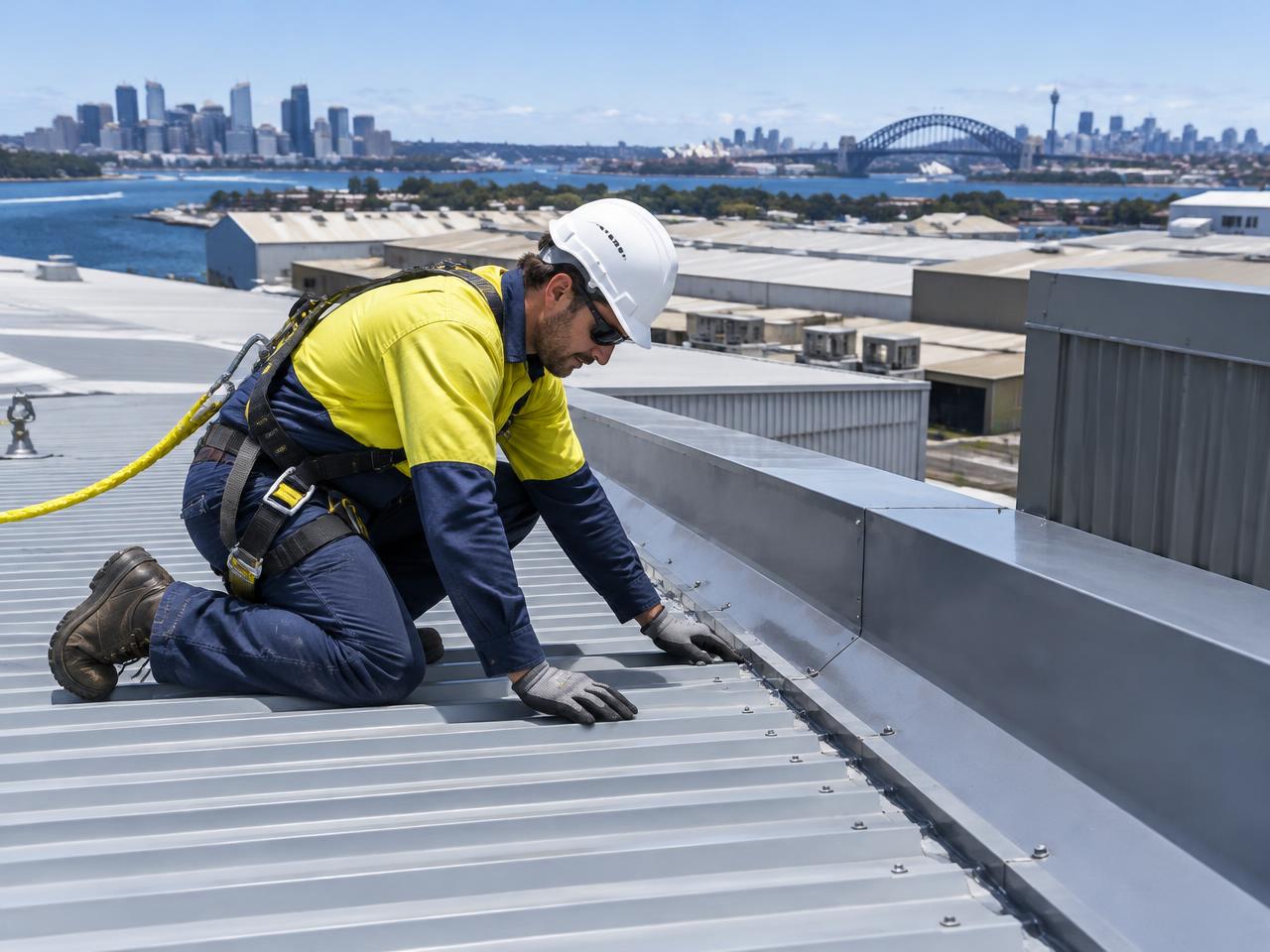
Planned roof maintenance for Sydney offices, warehouses and strata buildings. We assess metal roof sheets, flashings, fixings and drainage, then organise targeted work around your building access and operating hours.
What's included
- Metal roof sheet and fixing checks
- Flashings, penetrations and skylight surrounds
- Box gutters, outlets and drainage paths
- Visible corrosion and sealant condition
- Building-manager access coordination
- Inspection findings and maintenance priorities
Our process
- 1
Tell us about your roof
Share your suburb, roof type, visible issues and any safe ground-level photos.
- 2
Assess condition and access
We review the roof condition and plan suitable access with weather and safety in mind.
- 3
Agree the scope
Receive a written outline of the recommended work, exclusions and next steps.
- 4
Complete approved work
Maintenance or repairs follow the agreed scope and the requirements of the roof material.
- 5
Review and plan ahead
Discuss completed work, findings and ongoing care for your roof.
What matters on a commercial roof?
Commercial roofing often combines metal sheets, internal drainage, parapets and equipment penetrations. The inspection should consider the path from roof surface to outlet, not just the appearance of the sheets. Box gutters and outlets deserve particular attention because a local obstruction can affect occupied areas below. A building manager should explain known leaks, roof access arrangements and recent works by other contractors. An assessment can then relate visible defects to the building layout and identify areas that need more investigation.
- Record sheet laps, fixings, flashing junctions and visible corrosion.
- Check accessible drainage outlets and signs of recurring overflow.
- Map penetrations around rooftop plant, skylights and access hatches.
How do you organise safe commercial roof access?
Before attendance, clarify site inductions, access permissions, tenant notification and any restrictions on work near equipment. An existing anchor point or access hatch is not proof that the full route or work area is safe. The contractor should assess the access method, fall risks, fragile surfaces and weather conditions. Do not ask staff to inspect the roof as a substitute for competent trades. Changes to the site or a new work scope may require the access plan to be reviewed.
- Confirm the building contact and authority to approve the work.
- Identify equipment or services that need separate specialist coordination.
- Plan protection for people, stock and occupied areas beneath the work.
What belongs in a commercial maintenance register?
A useful register connects each defect to a location, photograph, recommended action and completion status. Record inaccessible sections instead of treating them as inspected. When a leak recurs, compare its position and weather conditions with earlier findings and recent roof alterations. This can help distinguish a drainage issue from a flashing, penetration or sheet defect. Keep the maintenance history available to future contractors and the people responsible for building operations.
- Use a roof plan or consistent location references where available.
- Separate urgent defects, scheduled work and items being monitored.
- Record completed scope, limitations and the next review decision.
How should maintenance be prioritised?
Prioritise active water entry, loose materials and hazards to occupied spaces before cosmetic concerns. The appropriate work depends on the condition of the roof, the drainage layout and safe access, not simply its size. Building managers should discuss recurring symptoms, tenant impacts and practical work windows before approving the scope. When roofing work intersects with electrical, mechanical or structural services, qualified specialists may be needed. Maintenance should not imply structural certification or a guarantee of uninterrupted building operation.
- Discuss protection or isolation needs with the responsible site specialists.
- Agree how changes to the scope will be communicated.
- Review findings after major weather events or new rooftop installations.
Roof safety and preparation references
- NSW SES: prepare your home and property for flood and storm
Roof checks, clear gutters and downpipes, and storm preparation.
- SafeWork NSW: managing risks of exposure to asbestos
Avoid disturbing asbestos and never use high-pressure water or compressed air on asbestos materials.
Prepare with our Sydney roof maintenance checklist and check local service coverage. General guidance does not replace an assessment of your property.
FAQs
What does commercial roof maintenance include?+
Metal roof sheet and fixing checks, Flashings, penetrations and skylight surrounds, Box gutters, outlets and drainage paths. The agreed scope depends on the roof material, visible condition and safe access; exclusions are explained before approval.
Can maintenance help prevent roof leaks?+
It can address common causes such as blocked drainage, cracked tiles and deteriorated flashings. A roof inspection helps identify the right action; no inspection can guarantee that every concealed defect is found.
Can I inspect the roof myself?+
Look for warning signs from ground level. Do not climb onto a roof without suitable training and fall protection. Leave roof access and repairs to appropriately qualified trades.
What information should I provide before an assessment?+
Share the property location, roof type if known, symptom locations, earlier work and photos taken safely from the ground. Include strata access requirements and any known asbestos reports.
Will the assessment identify every concealed defect?+
No. Accessible visual checks have limitations. Ask which areas were inspected, which were inaccessible and whether further specialist investigation is recommended.
Need commercial roof maintenance in Sydney?
Free quote within 24 hours. Servicing all suburbs within 10 km of Homebush.