Service
Roof Repairs Sydney
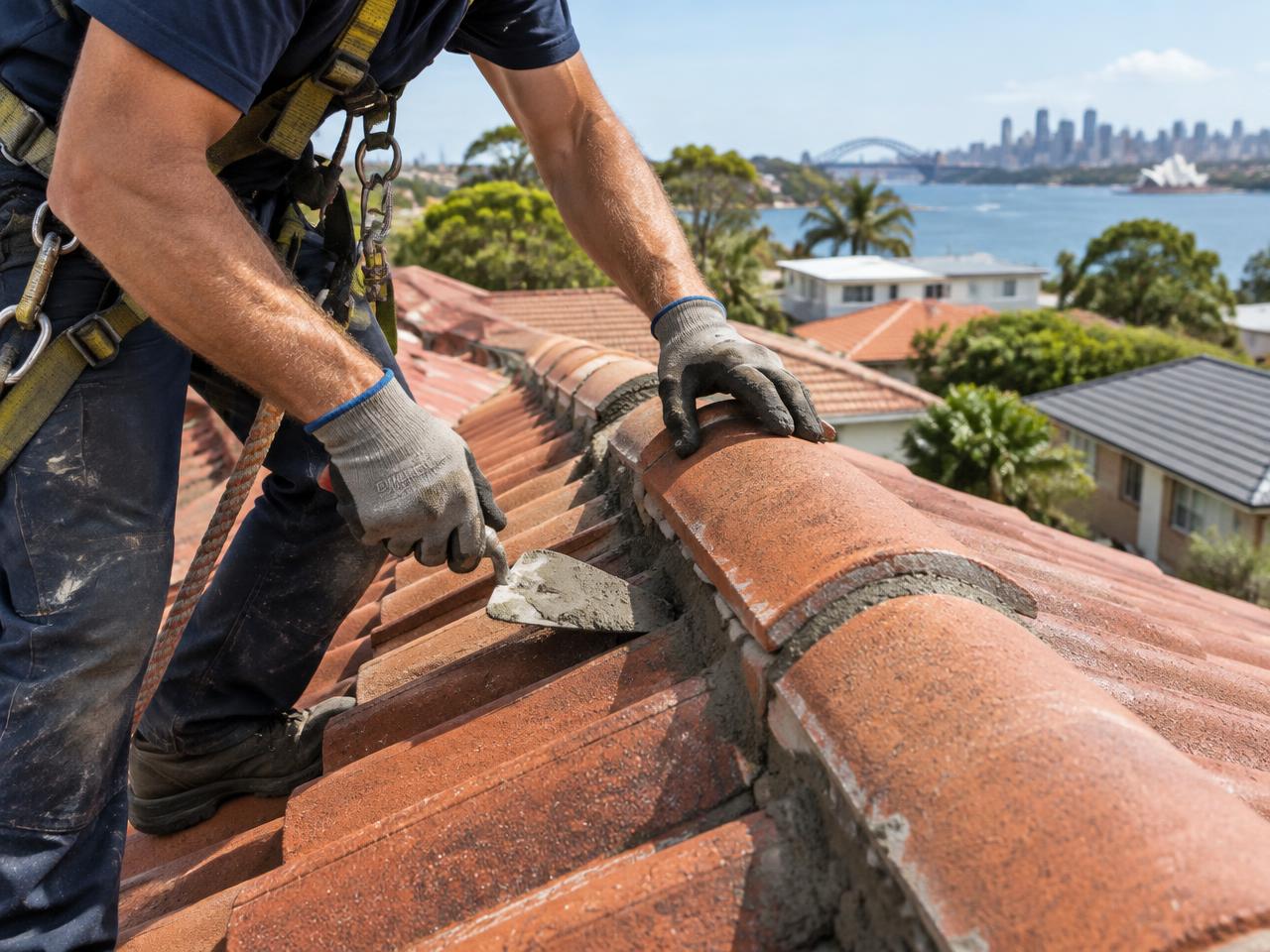
Address cracked tiles, damaged ridge pointing, loose metal fixings and problem flashings. Our roof repairs start with the likely source of the issue, not just the stain on the ceiling, with a clear scope before work begins.
What's included
- Cracked or displaced tile assessment
- Ridge capping, bedding and pointing repairs
- Flashing and penetration repairs where suitable
- Metal roof fixings and seal checks
- Leak-source investigation
- Repair scope and follow-up recommendations
Our process
- 1
Tell us about your roof
Share your suburb, roof type, visible issues and any safe ground-level photos.
- 2
Assess condition and access
We review the roof condition and plan suitable access with weather and safety in mind.
- 3
Agree the scope
Receive a written outline of the recommended work, exclusions and next steps.
- 4
Complete approved work
Maintenance or repairs follow the agreed scope and the requirements of the roof material.
- 5
Review and plan ahead
Discuss completed work, findings and ongoing care for your roof.
How is the source of a roof leak investigated?
The place where water appears indoors may not be the place where it enters the roof. Water can travel along framing, insulation or a sheet before it becomes visible. Tell the roofer when the symptom occurs, whether wind-driven rain makes it worse and what has changed recently. An assessment should consider nearby roof coverings, flashings, penetrations and drainage together. A visible stain alone does not establish the repair needed, and some concealed faults require further investigation before a cause can be confirmed.
- Photograph indoor staining and ground-level roof symptoms without climbing.
- Note the rooms affected and the timing of rain or overflow.
- Identify previous repairs, solar installations or other recent roof work.
What differs between tile and metal roof repairs?
On tiled roofs, a replacement must suit the existing tile profile and surrounding arrangement. Ridge bedding and pointing, valley condition and flashing junctions may also contribute to water entry. On metal roofs, the condition of sheets, laps, washers and compatible fixings needs attention. A generic sealant patch is not an appropriate answer to every defect. Ask whether the proposed repair addresses the likely cause, whether adjacent components are affected and what limitations remain after the agreed work.
- Assess cracked or displaced tiles alongside nearby drainage paths.
- Check metal sheet damage and fasteners before selecting compatible materials.
- Distinguish targeted repairs from broader restoration or replacement advice.
What should you do while waiting for an assessment?
Keep people away from damaged ceilings, unstable roofing and wet electrical equipment. Do not climb onto the roof, move displaced sheets or attempt a temporary patch in rain or wind. If there is an immediate danger to life, contact emergency services rather than relying on a routine maintenance enquiry. Move belongings only where it is safe to do so and record symptoms from a safe position. Ask about attendance and access without assuming that roofing work can proceed in unsafe weather.
- Do not touch electrical fittings affected by water; seek qualified assistance.
- Avoid opening, puncturing or standing beneath a visibly damaged ceiling.
- Tell the contractor about hazards before anyone attends the property.
How do you review a repair scope?
A written scope should identify the affected components, proposed materials, access arrangements and excluded work. Ask whether the leak source is confirmed or still suspected and whether follow-up observation is required. Previous patches can hide corrosion or damage, so findings may change when an area becomes safely accessible. Agree how additional defects will be discussed before extra work proceeds. After completion, keep photographs and records, and report a returning symptom with its location and weather conditions rather than assuming the same source.
- Repair active defects before considering decorative finishes.
- Record any inaccessible or concealed sections.
- Agree the next step if the original leak remains or appears elsewhere.
Planning roofing care? Read our commercial roof maintenance checklist for Sydney property managers.
Roof safety and preparation references
- NSW SES: prepare your home and property for flood and storm
Roof checks, clear gutters and downpipes, and storm preparation.
- SafeWork NSW: managing risks of exposure to asbestos
Avoid disturbing asbestos and never use high-pressure water or compressed air on asbestos materials.
Prepare with our Sydney roof maintenance checklist and check local service coverage. General guidance does not replace an assessment of your property.
FAQs
What does roof repairs include?+
Cracked or displaced tile assessment, Ridge capping, bedding and pointing repairs, Flashing and penetration repairs where suitable. The agreed scope depends on the roof material, visible condition and safe access; exclusions are explained before approval.
Can maintenance help prevent roof leaks?+
It can address common causes such as blocked drainage, cracked tiles and deteriorated flashings. A roof inspection helps identify the right action; no inspection can guarantee that every concealed defect is found.
Can I inspect the roof myself?+
Look for warning signs from ground level. Do not climb onto a roof without suitable training and fall protection. Leave roof access and repairs to appropriately qualified trades.
What information should I provide before an assessment?+
Share the property location, roof type if known, symptom locations, earlier work and photos taken safely from the ground. Include strata access requirements and any known asbestos reports.
Will the assessment identify every concealed defect?+
No. Accessible visual checks have limitations. Ask which areas were inspected, which were inaccessible and whether further specialist investigation is recommended.
Need roof repairs in Sydney?
Free quote within 24 hours. Servicing all suburbs within 10 km of Homebush.