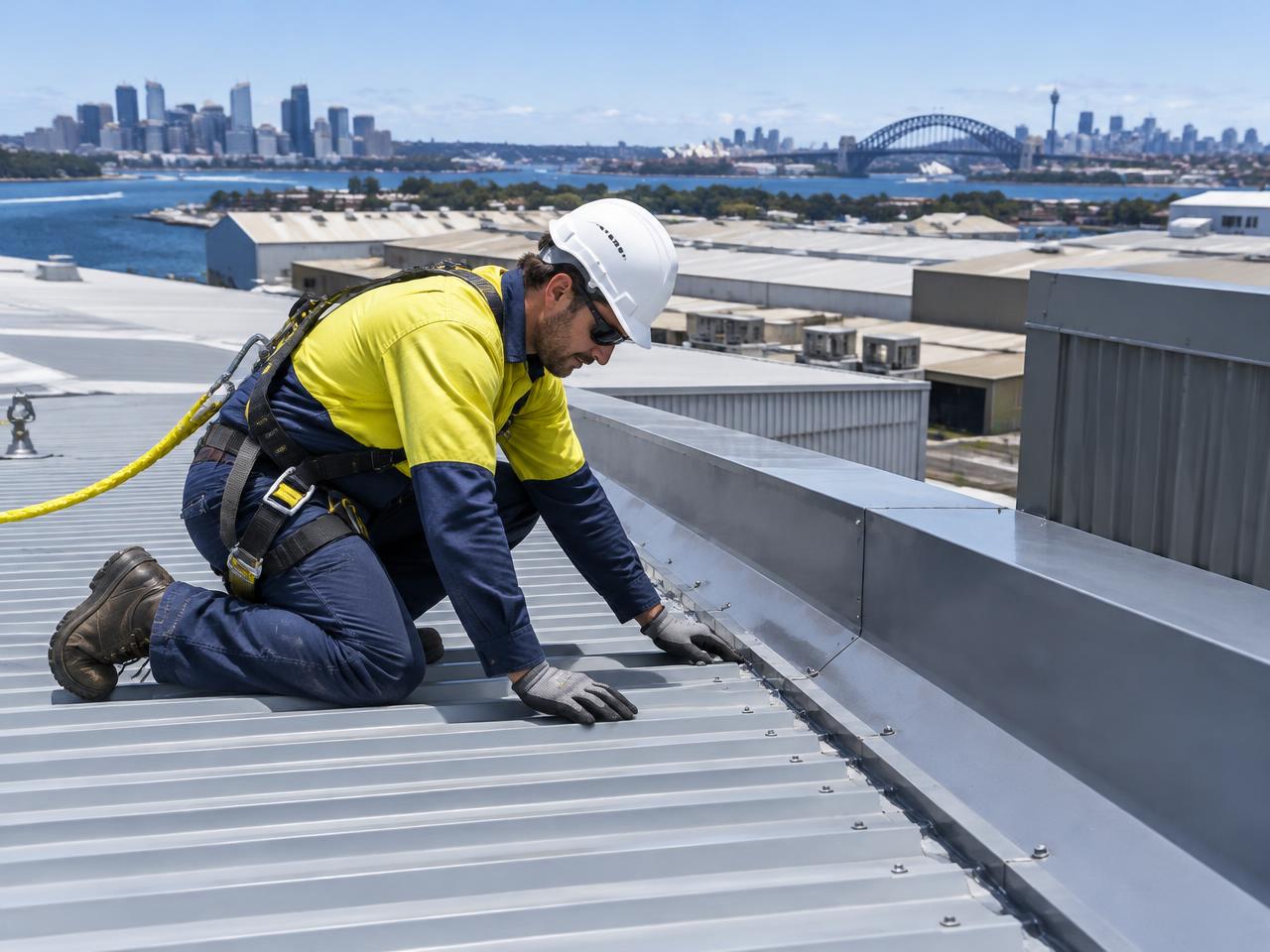
Whether roof work needs approval depends on the property and proposed changes. Check the scope, heritage status, strata responsibilities and relevant council or certifier advice before ordering materials or starting work. Routine maintenance and structural or appearance changes are different proposals; do not assume either approval or exemption without checking.
Key takeaways
- Identify the proposed work before asking about approval.
- A heritage listing or strata arrangement can change the decision process.
- Keep written advice and the approved scope with your maintenance records.
For property-specific care, explore roof maintenance. The guidance below is general information, not an inspection of your property.
Why does the work scope come first?
The term roof maintenance can describe very different activities. Clearing debris, replacing a damaged component, changing materials and altering roof structure should not be treated as the same proposal. Before asking about approvals, record what is planned, which parts of the building are affected and whether appearance, shape or structure will change. A clear description helps the council, certifier or building manager respond to the actual work rather than a vague label.
Ask the contractor to separate identified repair needs from optional improvements. The recommended roofing scope does not by itself establish planning permission. Approval advice may change the materials or method that can be used, so check before ordering products. If the scope changes after further inspection, review whether earlier advice still applies. Keep the proposal and the advice together so the approved work is clear to everyone involved.
What should you ask the local council or certifier?
Describe the property, the existing roof and the proposed work. Ask which planning or certification pathway applies, what information is needed and whether the proposal can proceed as described. Do not assume that a neighbour's work or a contractor's general comment establishes an exemption for your property. Site-specific restrictions and the nature of the change matter. This guide does not provide an approval determination or a substitute for professional planning advice.
Record who provided the advice and retain any written response or relevant documents. Ask how to handle changes to the scope, especially where additional defects are discovered. If the property falls under more than one decision process, clarify the order before starting. A roofing assessment can explain material condition; council or certifier advice addresses a different question about whether and how the proposed work may proceed.
- Describe any change in material, colour, profile or structure.
- Ask whether property-specific restrictions affect the proposal.
- Clarify required documentation before committing to the work.
How can heritage status affect roof maintenance?
A heritage listing or conservation area may affect permitted materials, colours, roof form and visible changes. Do not assume that restoring appearance is automatically acceptable because it is described as maintenance. Check the property status and seek advice about the proposed method before purchasing replacement tiles, metal sheets or coating products. The roof's existing character and the precise scope can be relevant to the decision.
A condition report may help identify defects, but heritage advice may also be needed to choose an appropriate repair approach. Keep product information, photographs and the agreed proposal available for review. If a material is no longer readily available, do not assume any substitute is acceptable. Confirm the next step with the relevant adviser rather than letting availability alone determine the finished roof.
Who approves work on a strata roof?
Roofing often involves shared building elements and access arrangements, but responsibility should be checked against the particular scheme and proposed work. Contact the strata manager or authorised representative before scheduling a contractor. Ask who may approve the scope, whether committee or other decisions are needed and what documentation is required. An individual resident's request does not automatically authorise work to shared property.
Access, tenant notification and protection for areas below the work should also be coordinated. Rooftop plant, solar equipment or neighbouring lots may require additional communication. Keep the inspection findings understandable to the people making the decision so approval is based on the identified defects and limitations. Where responsibility is disputed or unclear, obtain suitable advice instead of assuming that a roofing contractor can determine ownership obligations.
What if urgent damage is found?
Protect people first and keep clear of unstable roofing, damaged ceilings and electrical hazards. Immediate danger requires the appropriate emergency service. Urgency should not be used to invent an approval exemption or ignore specialist safety requirements. Ask the relevant authority, manager or qualified adviser how to handle the specific situation and document the advice. Explain the hazard to the contractor before attendance so access can be planned.
The proposed response may differ from the eventual permanent repair. Keep those scopes separate and clarify what remains unresolved. Do not climb onto the roof, disturb suspected asbestos or attempt work in unsafe weather while waiting for advice. This page does not establish an emergency works pathway; the correct process depends on the property, damage and relevant requirements.
Which records should you retain?
Keep the condition findings, approved scope, material details, council or certifier advice and strata decisions where relevant. Record scope changes and the reason for them. Photographs taken by the contractor where possible can show the affected components, but should not imply that inaccessible or concealed areas were inspected. Completion records should explain what was done and what still needs attention, allowing future maintenance to start from a reliable history.
Before signing off on future changes, compare the new proposal with earlier approvals rather than assuming all roof work is covered indefinitely. Product care instructions and safety information should also remain available. For a first enquiry, share the property location, roof symptoms and known heritage or strata details. That allows inspection planning to begin without pretending that approval questions have already been resolved.
From guidance to an agreed work scope
What does a roof maintenance assessment look at?
Roof maintenance considers the roof as a connected weatherproofing and drainage system. An intact tile does not rule out a leaking flashing, and clean gutters do not resolve a damaged sheet lap. A useful assessment identifies the material, visible condition, water paths and previous repairs before recommending work. Ask which areas were accessible and which could not be checked, because concealed roof defects may need a different investigation. Maintenance is planned care, not an assurance that every possible leak has been eliminated.
- Roof coverings: cracked tiles, sheet corrosion, displaced components and incompatible previous patches.
- Junctions: ridge capping, valleys, flashings and penetrations around vents or skylights.
- Rainwater paths: debris, gutter condition, outlets and accessible downpipe flow.
Tile and metal roofs need different maintenance
For tiled roofs, the fit of replacement tiles, the stability of ridge capping and the condition of valley metal are important. Concrete and terracotta tiles should not automatically receive the same cleaning or finishing treatment. For metal roofs, compatible fasteners, sheet laps, washers and flashings matter; indiscriminate sealant can conceal rather than correct a problem. Tell the roofer about solar panels, rooftop equipment or previous alterations so junctions near those installations can be considered. Any treatment should match the roof product and its condition.
- Confirm the roof material and, where known, the product profile.
- Repair the source of water entry before discussing appearance treatments.
- Keep records of products used so later repairs remain compatible.
Sources and further reading
- NSW SES: prepare your home and property for flood and storm: Roof checks, clear gutters and downpipes, and storm preparation.
- SafeWork NSW: managing risks of exposure to asbestos: Avoid disturbing asbestos and never use high-pressure water or compressed air on asbestos materials.
Plan the next step for your Sydney roof
Start with a roof condition inspection, then discuss preventative roof maintenance, targeted roof repairs or gutter and drainage care as appropriate. Keep the report, access limitations and approved scope with your property records.
Continue with our Sydney roof maintenance checklist. Request a roof assessment or call 0424 699 183 to discuss your property.
Frequently asked questions
Is all roof maintenance exempt from approval?+
No universal exemption should be assumed. Check the actual property and work scope with the relevant council or certifier.
Can I change the colour of a heritage roof without checking?+
Check property-specific heritage requirements and seek advice before changing colour, material or appearance.
Can one apartment owner authorise repairs to a shared roof?+
Confirm responsibilities and authority with the strata manager or authorised representative before scheduling work.