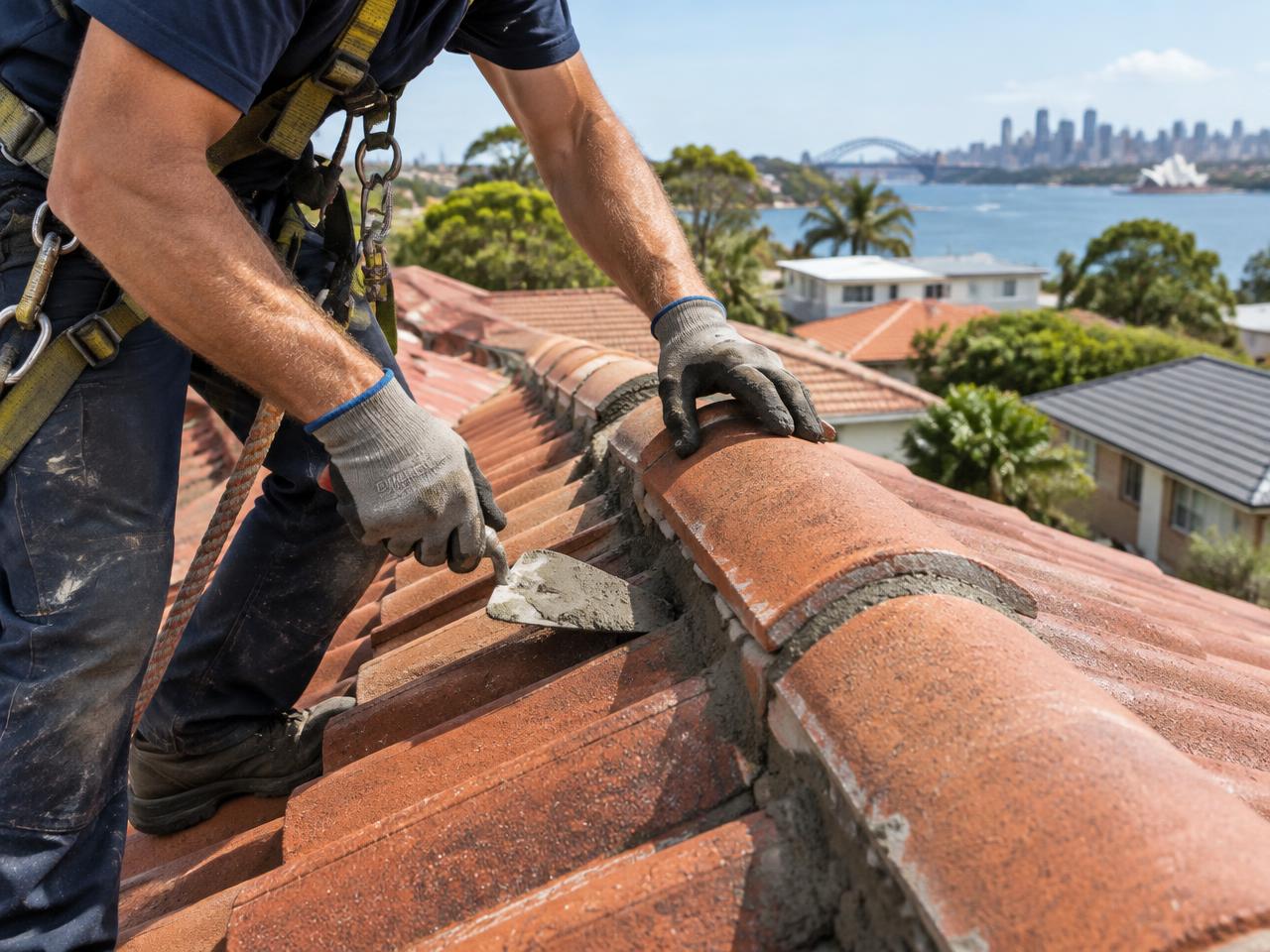
Leave roof access to competent trades with suitable fall protection. If roofing or associated materials may contain asbestos, do not disturb or pressure-wash them; seek specialist identification before work. Keep away from unstable roofing and water-affected electrical equipment. A routine roof maintenance scope must not substitute for specialist safety advice.
Key takeaways
- A ladder alone does not make roof work safe.
- Appearance cannot reliably rule asbestos in or out.
- Asbestos precautions apply to associated materials as well as roof coverings.
For property-specific care, explore roof maintenance. The guidance below is general information, not an inspection of your property.
Why is roof access different from a ground-level check?
A roof may have steep pitches, fragile components, slippery surfaces, unprotected edges and areas obscured by equipment. Conditions can change with rain, wind or deterioration. Being able to reach a roof does not establish that it is safe to work there. An appropriate contractor should assess the route, work area, fall risks and protection before starting. Owners should not be asked to climb up to photograph a defect or prepare a work area.
Safe homeowner observations are limited to positions that do not introduce a fall or other hazard. Looking from the ground or recording an indoor stain can provide useful context. Do not enter an unsafe ceiling space, lean out of a window or use a ladder to improve the view. If the defect cannot be seen safely, explain that limitation in the enquiry and leave the assessment to qualified trades.
What should owners ask about safety planning?
Ask who will attend, what access method is proposed and whether the work needs specialist equipment or coordination. Explain known hazards, previous asbestos reports, roof damage and any restrictions on the site. For commercial or strata roofs, the building contact should clarify access permissions, inductions and activities below the work. Existing access equipment does not remove the contractor's responsibility to assess whether it suits the current task.
Appropriate qualifications, licences and insurance should be checked for the proposed scope. Do not assume a general roofing enquiry includes every structural, electrical or asbestos service. Where another specialist is needed, clarify the boundaries before approval. Weather-related changes should be allowed for; a scheduled date is not a reason to proceed in unsafe conditions. Keep the agreed access and work limitations with the property record.
- Provide known hazard information before attendance.
- Confirm authority for shared or restricted roof access.
- Keep people clear of the work area and unstable components.
Can you identify asbestos roofing by appearance?
Appearance alone cannot reliably identify asbestos. An older roof, gutter, downpipe, eave or ridge component may warrant specialist assessment before disturbance, but an owner should not collect a sample or break material to find out. If existing documents identify asbestos, share them with the contractor. If there is uncertainty, pause the affected scope and seek advice from a suitably qualified asbestos professional.
The issue is not limited to large-scale removal. Drilling, cutting, sanding, breaking or cleaning can disturb material and create exposure. Ordinary maintenance should not be treated as a workaround for specialist identification or the applicable NSW requirements. Keep the assessment record available to future contractors so uncertainty is not lost between visits. Do not label a material asbestos-free without a reliable basis.
Why must suspected asbestos never be pressure-washed?
High-pressure water or compressed air can spread asbestos contamination beyond the original material. SafeWork NSW warns about contamination of the property and neighbouring areas from these methods. Do not use them on known or suspected asbestos roofing or associated components. An unfamiliar older surface should not be pressure-cleaned simply because cleaning is included in a restoration package; material identification comes first.
If unsafe disturbance has occurred, keep people away from the affected area and seek qualified advice about the next steps. Do not sweep, hose or attempt an improvised clean-up that may further spread material. A routine roofer or homeowner should not assume the area can be handled as ordinary roof debris. The response must follow specialist advice and the applicable safety requirements for the particular situation.
What other hazards should stop a routine enquiry becoming DIY work?
Water near electrical fittings, loose sheets, visibly damaged ceilings and unstable roofing require caution. Do not touch water-affected electrical equipment or try to move a sheet during rain or wind. Keep people clear and contact the appropriate qualified service. An immediate threat to life needs emergency services rather than a request for ordinary maintenance attendance. Explain the observed hazard without approaching it to collect better photos.
Rooftop plant and solar equipment can introduce additional specialist boundaries. A roofing assessment should not imply authority to isolate, disconnect or repair electrical or mechanical systems. Tell the contractor what equipment is present, and ask how necessary coordination will be arranged. Repairs and access must be planned around the actual site rather than a generic procedure that ignores equipment and occupancy.
How should safety information be recorded?
Keep existing asbestos reports, roof access information, inspection limitations and details of completed work with the property maintenance history. A future contractor needs to understand both confirmed findings and unresolved questions. The record should distinguish an inaccessible section from a section that was checked. A lack of new information is not proof that a hazard has disappeared. Share relevant documents before work is scheduled.
For rented, strata or commercial property, identify the person responsible for providing site information and authorising work. Make sure tenants or occupants receive relevant notifications through the appropriate manager. This guide is general owner information, not a site safety plan or an asbestos assessment. The correct method and scope must be determined by competent professionals for the actual property.
From guidance to an agreed work scope
What does a roof maintenance assessment look at?
Roof maintenance considers the roof as a connected weatherproofing and drainage system. An intact tile does not rule out a leaking flashing, and clean gutters do not resolve a damaged sheet lap. A useful assessment identifies the material, visible condition, water paths and previous repairs before recommending work. Ask which areas were accessible and which could not be checked, because concealed roof defects may need a different investigation. Maintenance is planned care, not an assurance that every possible leak has been eliminated.
- Roof coverings: cracked tiles, sheet corrosion, displaced components and incompatible previous patches.
- Junctions: ridge capping, valleys, flashings and penetrations around vents or skylights.
- Rainwater paths: debris, gutter condition, outlets and accessible downpipe flow.
Tile and metal roofs need different maintenance
For tiled roofs, the fit of replacement tiles, the stability of ridge capping and the condition of valley metal are important. Concrete and terracotta tiles should not automatically receive the same cleaning or finishing treatment. For metal roofs, compatible fasteners, sheet laps, washers and flashings matter; indiscriminate sealant can conceal rather than correct a problem. Tell the roofer about solar panels, rooftop equipment or previous alterations so junctions near those installations can be considered. Any treatment should match the roof product and its condition.
- Confirm the roof material and, where known, the product profile.
- Repair the source of water entry before discussing appearance treatments.
- Keep records of products used so later repairs remain compatible.
Sources and further reading
- NSW SES: prepare your home and property for flood and storm: Roof checks, clear gutters and downpipes, and storm preparation.
- SafeWork NSW: managing risks of exposure to asbestos: Avoid disturbing asbestos and never use high-pressure water or compressed air on asbestos materials.
Plan the next step for your Sydney roof
Start with a roof condition inspection, then discuss preventative roof maintenance, targeted roof repairs or gutter and drainage care as appropriate. Keep the report, access limitations and approved scope with your property records.
Continue with our Sydney roof maintenance checklist. Request a roof assessment or call 0424 699 183 to discuss your property.
Frequently asked questions
Can I take an asbestos sample myself?+
Do not disturb suspected material. Seek suitably qualified specialist advice about identification and testing.
Is a ladder enough protection for roof repairs?+
No. Roof access and fall risks must be assessed for the work. Leave access to competent trades with suitable protection.
Can a roof restoration include pressure-washing asbestos?+
No. Never pressure-wash known or suspected asbestos materials. Specialist advice is needed before work.